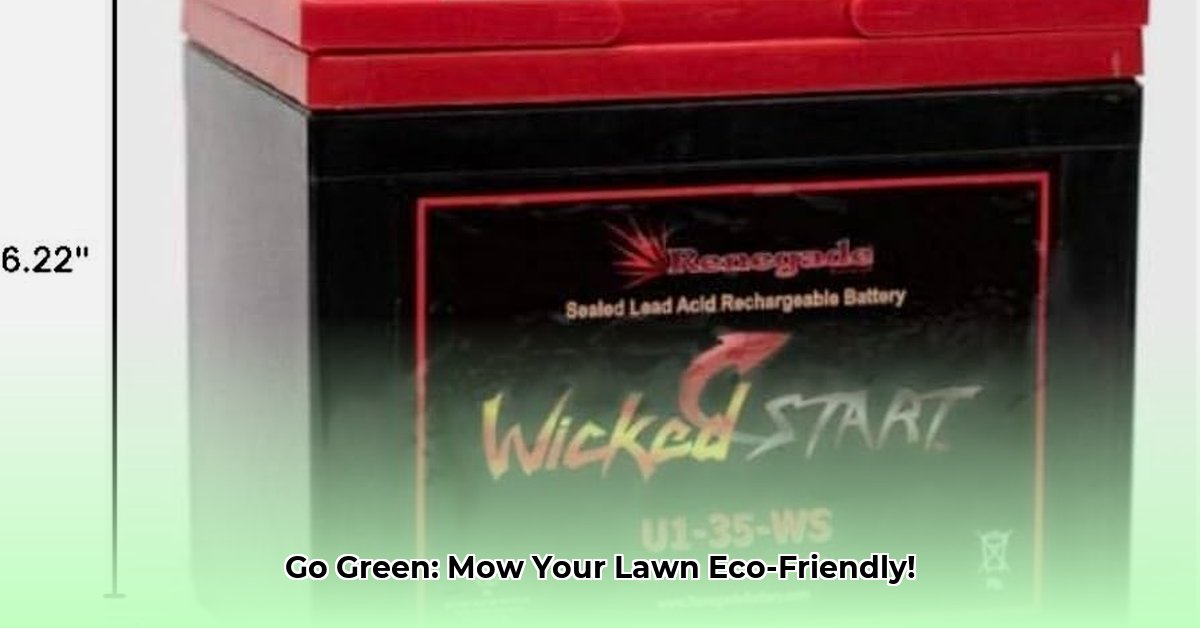
The Quiet Revolution: Cordless Mowers and the Environmental Question
Tired of the roar and fumes of gas-powered lawn mowers? The quiet revolution of cordless electric mowers is well underway, and Tractor Supply is at the forefront, offering a wide selection of batteries to power this shift. But are these batteries truly as “green” as they seem? This article explores the environmental implications of cordless lawn mower batteries, guiding you towards eco-conscious choices for a healthier lawn and planet. For more information on Tractor Supply's battery options, check out their website.
Consumer Demand and Market Trends: The Green Grass Grows
Tractor Supply's expanding inventory of cordless mower batteries showcases a clear trend: consumers are increasingly prioritizing quieter, cleaner lawn care solutions. This shift reflects a growing awareness of environmental responsibility and a desire for reduced noise pollution. But this conscientious consumerism raises a critical question: what is the true environmental cost of these convenient power sources?
Unpacking Battery Technology: Lithium-ion and Beyond
The majority of cordless lawn mowers operate on lithium-ion (Li-ion) batteries. However, the term "Li-ion" encompasses various chemistries, each with distinct performance characteristics and environmental impacts. While Li-ion batteries generally offer longer lifespans and more charge cycles compared to older technologies like Nickel-Cadmium (NiCd), their production isn't without environmental consequences. The mining of raw materials like lithium and cobalt, manufacturing processes, and transportation all contribute to the battery's overall carbon footprint. Emerging technologies, such as Lithium Iron Phosphate (LiFePO4) batteries, show promise in terms of reduced environmental impact and improved safety, but further research is crucial for a complete understanding of their long-term sustainability. What are the hidden environmental costs associated with each battery type?
The Environmental Lifecycle: From Mine to Recycling Bin
The environmental impact of cordless lawn mower batteries extends beyond their operational use. Consider the following stages:
- Raw Material Extraction: The mining of materials like lithium and cobalt can be energy-intensive and damaging to environments.
- Manufacturing: Battery production requires significant energy and often generates waste.
- Transportation: Shipping batteries globally adds to their carbon footprint.
- End-of-Life Management: Responsible recycling is paramount to minimize the environmental impact of discarded batteries. Improper disposal can lead to soil and water contamination.
A staggering 90% of the energy cost of a lithium-ion battery is in the manufacturing, transportation, and disposal phases, not the use phase. This emphasizes the importance of choosing long-lasting, high-quality batteries that minimize the need for frequent replacements.
Choosing the Right Battery: A Practical Guide
Choosing a sustainable cordless lawn mower battery is a multi-faceted decision. Here's a stepwise approach:
- Prioritize Longevity: Opt for higher-capacity (mAh) batteries with a greater number of charge cycles. This increases the battery's overall lifespan, thus reducing the frequency of replacements and decreasing waste.
- Examine Warranties: A longer warranty indicates the manufacturer's confidence in the battery's durability, reducing the likelihood of premature failure and early replacements.
- Check Recycling Programs: Look for manufacturers with transparent and convenient battery recycling programs to ensure responsible disposal.
- Research Battery Chemistry: LiFePO4 batteries show promise with improved sustainability compared to other Li-ion types. However, it is still crucial to research thoroughly in order to make the most informed consumer decision.
- Proper Care: Proper charging practices and storage can significantly extend your battery's lifespan and maximize its efficiency.
"Choosing a sustainable battery is about minimizing your environmental impact through the entire lifecycle of the product," says Dr. Anya Sharma, Environmental Scientist at the Green Technology Institute. "Consider the longevity, recycling ease, and transparency of the manufacturing process."
The Future of Green Lawn Care
The quest for truly sustainable lawn care is an ongoing journey. Manufacturers must prioritize sustainable sourcing of materials, improve manufacturing efficiency, and develop advanced battery recycling technologies. Governments should encourage responsible production through regulations and incentives. And consumers need to actively participate by making informed choices, using batteries properly, and recycling responsibly. By working together, we can cultivate greener lawns and a healthier planet.
Key Takeaways:
- The environmental impact of cordless lawn mower batteries extends beyond their use.
- Choosing longer-lasting, high-quality batteries is crucial to minimizing waste.
- Responsible recycling is paramount to reduce the environmental impact of discarded batteries.
- Manufacturers must improve sustainability throughout the manufacturing process.
- Consumer awareness and informed purchasing decisions are vital to drive change in the industry.